Stomach Pain: What Your Gut Is Telling You
March 16, 2026
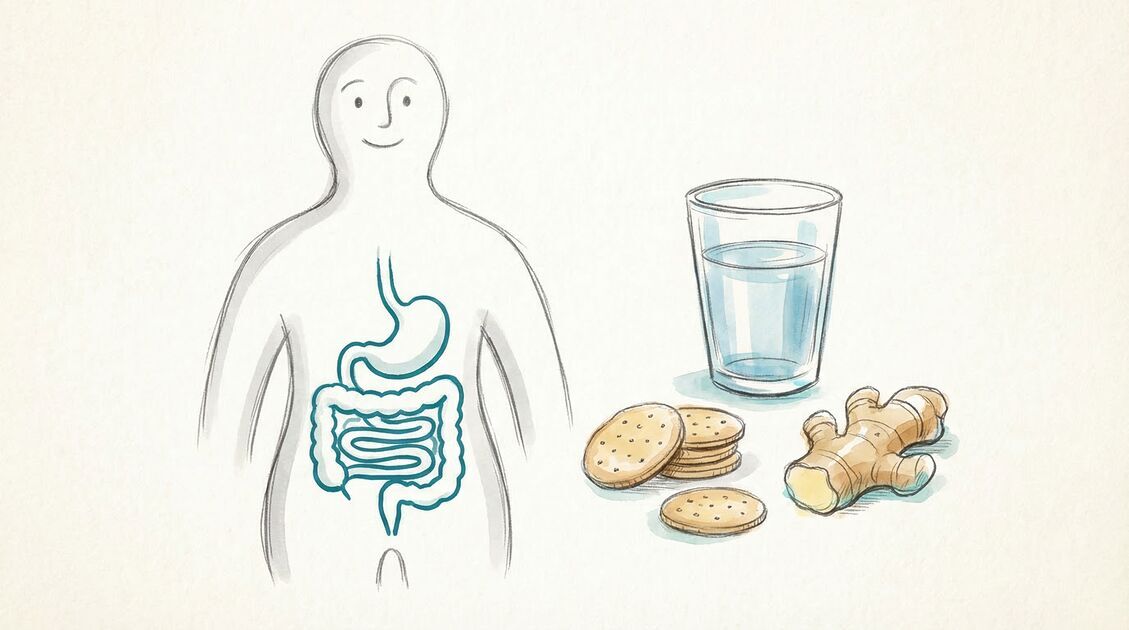
Almost everyone has dealt with stomach pain at some point. Sometimes it is a minor annoyance that passes on its own. Other times it is sharp, persistent, and worrying enough to disrupt your entire day. The tricky part about abdominal pain is that the abdomen contains so many organs — stomach, intestines, liver, gallbladder, pancreas, appendix — that the same general symptom of "stomach pain" can have dozens of different causes.
Here is a practical guide to understanding what your gut might be telling you, what you can do at home, and when it is time to see a provider.
The Most Common Causes of Stomach Pain
Most abdominal pain is not serious and resolves within hours or a couple of days. According to the National Institute of Diabetes and Digestive and Kidney Diseases (NIDDK), digestive conditions are among the most common reasons people visit a healthcare provider. Here are some of the most frequent culprits:
- Gas and bloating. Trapped gas in the digestive tract can cause sharp, crampy pain that moves around the abdomen. It often comes with a feeling of fullness or visible swelling. Common triggers include beans, carbonated drinks, dairy (for those who are lactose intolerant), and eating too quickly.
- Constipation. When stool builds up in the colon, it can cause cramping, bloating, and a dull ache in the lower abdomen. Constipation is one of the most common digestive complaints and is usually related to diet, hydration, or activity level.
- Gastritis. This is inflammation of the stomach lining. It can feel like a gnawing or burning pain in the upper abdomen, sometimes with nausea. Common causes include overuse of pain relievers like ibuprofen, excessive alcohol, and infection with H. pylori bacteria. The American Gastroenterological Association (AGA) notes that gastritis can be acute (sudden) or chronic (long-lasting).
- Food poisoning. Contaminated food or water can cause sudden stomach cramps, nausea, vomiting, and diarrhea. Symptoms usually start within hours of eating the contaminated food. The CDC estimates that foodborne illnesses affect millions of Americans each year, with most cases resolving on their own within a few days.
- Stomach flu (gastroenteritis). Despite the name, the stomach flu is not related to influenza. It is usually caused by a virus — most commonly norovirus or rotavirus — and causes watery diarrhea, stomach cramps, nausea, vomiting, and sometimes a low-grade fever. It spreads easily and tends to run its course in one to three days.
What the Location of Your Pain Can Tell You
Where you feel the pain in your abdomen can provide helpful clues about what is going on. This is not a diagnostic tool — only a provider can determine the cause for certain — but it can help you describe your symptoms more clearly when you visit.
- Upper abdomen, center. Pain here often involves the stomach itself. Think gastritis, acid reflux, indigestion, or an ulcer. A burning sensation that worsens on an empty stomach or improves briefly after eating is a classic pattern.
- Upper right abdomen. This area houses the gallbladder and liver. Sharp pain here, especially after a fatty meal, could suggest gallstones. Pain that radiates to the right shoulder blade is another common gallbladder sign.
- Upper left abdomen. Pain here may involve the spleen or the upper part of the colon. It can also be referred pain from the stomach or pancreas.
- Lower right abdomen. This is the classic location for appendicitis — pain that starts around the belly button and migrates to the lower right. If this pain is sharp, worsening, and accompanied by fever, seek medical care right away.
- Lower left abdomen. Pain here is often related to the colon. In adults over 40, it may suggest diverticulitis, an inflammation of small pouches that can form in the colon wall.
- Lower abdomen, general. Cramping across the lower belly is commonly associated with gas, constipation, menstrual cramps, or a urinary tract infection.
When Stomach Pain Is an Emergency
Most stomach pain is not dangerous, but there are warning signs that should never be ignored. Go to the emergency room or call 911 if you experience:
- Severe, sudden abdominal pain that comes on rapidly and is intense from the start. This could indicate a ruptured appendix, a bowel obstruction, or a perforated ulcer.
- Blood in your stool or vomit. Bright red blood or dark, tarry stools can signal bleeding somewhere in the digestive tract. Vomit that looks like coffee grounds is another warning sign.
- Pain with high fever and persistent vomiting. This combination can point to a serious infection, appendicitis, or another condition that needs immediate evaluation.
- Abdominal pain with chest pain or difficulty breathing. In some cases, upper abdominal pain can be a sign of a heart-related event, especially in older adults.
- A rigid, board-like abdomen. If your abdomen is extremely tender to the touch and feels stiff, this may indicate peritonitis — inflammation of the lining of the abdominal cavity — which is a medical emergency.
The NIDDK advises seeking immediate care if abdominal pain is severe enough that you cannot sit still or find a comfortable position.
Home Remedies That Can Help
For mild to moderate stomach pain that does not involve any of the warning signs above, these strategies can provide relief:
- Try the BRAT diet. Bananas, rice, applesauce, and toast are bland, easy-to-digest foods that can help settle an upset stomach. This approach is especially useful after vomiting or diarrhea, when your digestive system needs a gentle restart.
- Stay hydrated. Vomiting and diarrhea can lead to dehydration quickly. Sip water, broth, or an oral rehydration solution throughout the day. Avoid sugary drinks and caffeine, which can make diarrhea worse.
- Rest your stomach. If you are nauseated, it is okay to skip a meal or two. Eating when your body is telling you not to can prolong discomfort. When you do eat again, start small.
- Apply a warm compress. A heating pad or warm towel on your abdomen can help relax tense muscles and ease cramping pain.
- Avoid irritants. Skip alcohol, spicy foods, fried foods, and NSAIDs (like ibuprofen or aspirin) until your stomach settles. These can all worsen inflammation in the stomach lining.
When to Visit Urgent Care
Not every stomach ache needs the emergency room, but that does not mean you should tough it out indefinitely. Visit an urgent care clinic if:
- Your pain has lasted more than a day or two without improving
- You are unable to keep food or fluids down for more than 24 hours
- You have a mild to moderate fever along with stomach pain
- You notice changes in your bowel habits that concern you
- Over-the-counter remedies are not providing any relief
- You are unsure whether your symptoms warrant a visit — when in doubt, come in
An urgent care provider can examine you, run basic tests if needed, rule out anything serious, and get you on the right track — whether that means a prescription, dietary guidance, or a referral for further evaluation.
Listen to Your Gut
Your body is good at sending signals. A stomach ache after a heavy meal is probably just your digestive system working overtime. But persistent, worsening, or unusual abdominal pain is worth paying attention to. The sooner you get it checked out, the sooner you can rule out anything serious and start feeling better.
At Covenant Clinic, we are open 7 days a week, 7:30 AM to 7:30 PM, with no appointment necessary. Our providers evaluate stomach pain every day and can help you figure out what is going on and what to do about it.
Dealing with stomach pain that will not go away? Save your spot online or walk in to Covenant Clinic at 3961 E Lohman Ave, Suite 34, Las Cruces. You can also call us at 575-556-0200 with any questions.