Back Pain: Common Causes and When to See a Doctor
March 16, 2026
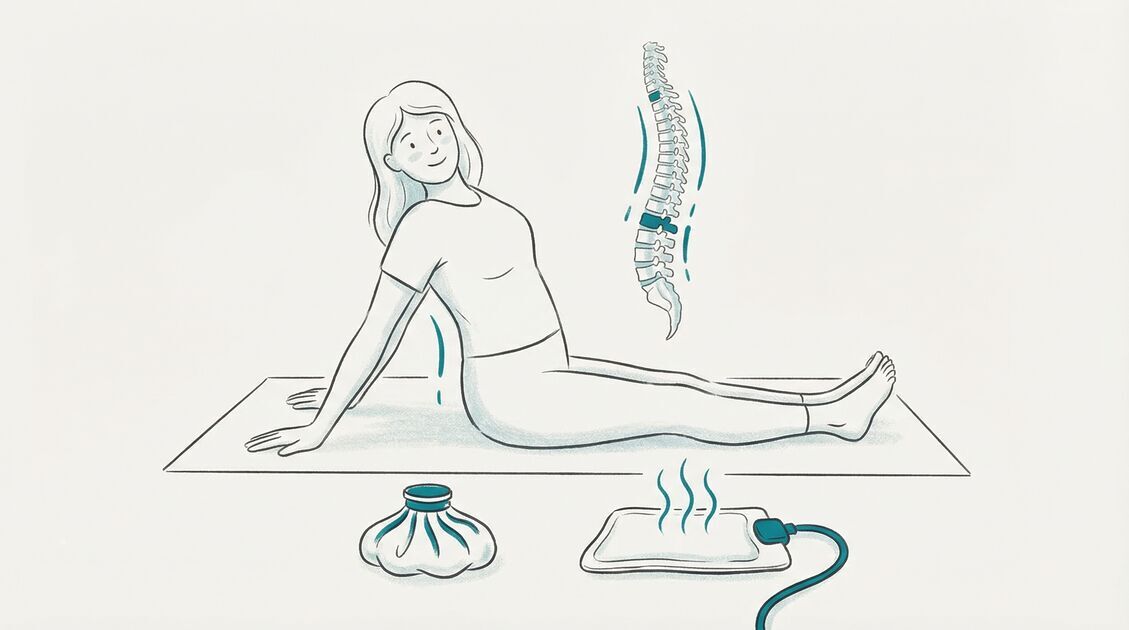
Back pain is one of the most common reasons people visit a doctor or miss work. According to the National Institute of Neurological Disorders and Stroke (NINDS), roughly 80 percent of adults experience low back pain at some point in their lives. The good news is that most back pain improves on its own within a few weeks. The challenge is knowing when your pain is something you can manage at home and when it needs professional attention.
What Causes Back Pain?
Your back is a complex structure of bones, muscles, ligaments, and discs — the soft, cushion-like pads between the vertebrae in your spine. Pain can come from any of these components. Here are the most common causes:
- Muscle or ligament strain. Lifting something heavy, twisting awkwardly, or even sleeping in an unusual position can strain the muscles and ligaments in your back. This is the most frequent cause of acute back pain and usually resolves within days to weeks.
- Poor posture. Sitting hunched at a desk for hours, slouching on the couch, or looking down at your phone puts sustained pressure on your spine. Over time, this can lead to chronic aching and stiffness, especially in the lower back and between the shoulder blades.
- Disc problems. The discs between your vertebrae can bulge or herniate, meaning the soft inner material pushes outward and presses on nearby nerves. This can cause sharp pain, numbness, or tingling that radiates down a leg — a condition commonly called sciatica.
- Arthritis. Osteoarthritis can affect the lower back. In some cases, arthritis in the spine can lead to a narrowing of the space around the spinal cord, a condition called spinal stenosis.
- Osteoporosis. If bones become porous and brittle, the vertebrae can develop compression fractures, which are especially common in older adults.
Less common causes include kidney stones, infections, and, rarely, tumors. Most back pain, however, falls into the mechanical category — meaning it comes from the muscles, bones, and joints of the back rather than a serious underlying disease.
Red Flags: When Back Pain Needs Immediate Attention
Most back pain is not dangerous. But there are warning signs that mean you should see a provider right away — or go to the emergency room. The American College of Physicians (ACP) and the NINDS both emphasize watching for these red flags:
- Numbness or tingling in one or both legs, especially if it is getting worse
- Loss of bladder or bowel control. This can indicate a rare but serious condition called cauda equina syndrome, which requires emergency treatment to prevent permanent nerve damage.
- Severe pain after an injury such as a car accident, fall, or sports impact
- Pain accompanied by unexplained weight loss or fever
- Pain that does not improve with rest or that wakes you from sleep
- Weakness in a leg or foot — for example, difficulty lifting your foot or standing on your toes
If you experience any of these symptoms, do not wait and see. Loss of bladder or bowel control with back pain, in particular, is a medical emergency.
Treating Back Pain at Home
For the majority of back pain episodes — the kind that comes from overdoing it at the gym, sleeping wrong, or sitting too long — home treatment is usually effective. Here is what the evidence supports:
- Stay active. This might sound counterintuitive, but prolonged bed rest can actually make back pain worse. The NINDS recommends staying as active as your pain allows. Gentle walking, light stretching, and normal daily activities help your muscles stay flexible and promote healing.
- Over-the-counter pain relief. The ACP's clinical guidelines recommend nonsteroidal anti-inflammatory drugs (NSAIDs) such as ibuprofen or naproxen as a first-line treatment for acute low back pain. Acetaminophen (Tylenol) is another option if you cannot take NSAIDs. Always follow the dosing instructions on the label.
- Ice and heat. Ice is generally best in the first 48 hours after pain starts — it helps reduce swelling. After that, switch to heat (a heating pad or warm bath) to relax tight muscles and increase blood flow to the area. Apply for 15 to 20 minutes at a time.
- Gentle stretching. Simple stretches that target the hamstrings, hip flexors, and lower back can ease tension. Avoid bouncing or forcing a stretch — move slowly and stop if the pain sharpens.
The CDC's National Institute for Occupational Safety and Health (NIOSH) also recommends evaluating your workspace ergonomics if you sit for long periods. Adjusting your chair height, monitor position, and taking regular breaks to stand and move can prevent back pain from recurring.
Urgent Care vs. the Emergency Room
Knowing where to go can save you time, money, and unnecessary stress. Here is a simple way to think about it:
Visit urgent care if your back pain is persistent but manageable — for example, pain that has lasted more than a week without improving, pain that makes it hard to work or sleep, or pain with mild numbness or tingling. An urgent care provider can evaluate your symptoms, rule out anything serious, prescribe appropriate medication, and refer you for imaging or specialist care if needed.
Go to the emergency room if you have any of the red flag symptoms listed above: loss of bladder or bowel control, severe weakness in a leg, back pain after a significant injury, or pain accompanied by high fever. These situations require immediate diagnostic testing and potentially emergency intervention.
For everything in between — the nagging pain that will not go away, the stiffness that is limiting your daily activities, the worry that something might be wrong — urgent care is the right call. You will be seen faster and at a fraction of the cost of an ER visit.
How Covenant Clinic Can Help
Back pain is one of the most common complaints we see at Covenant Clinic, and our providers are experienced in evaluating and treating it. When you come in, we will take the time to understand your symptoms, how your pain started, and what makes it better or worse. We can perform a physical examination, assess your range of motion, and check for any neurological signs that might point to a more serious issue.
Depending on your situation, we may recommend over-the-counter or prescription medications, physical therapy, activity modifications, or diagnostic imaging. If your condition requires specialist care, we will connect you with the right provider and make sure you have a clear plan moving forward.
You do not need to live with back pain or guess whether it is something to worry about. We are open 7 days a week, 7:30 AM to 7:30 PM, with no appointment necessary.
Dealing with back pain that will not go away? Save your spot online or walk in to Covenant Clinic at 3961 E Lohman Ave, Suite 34, Las Cruces. You can also call us at 575-556-0200 with any questions.