Cuts, Scrapes, and Wound Care: A Quick Guide
March 16, 2026
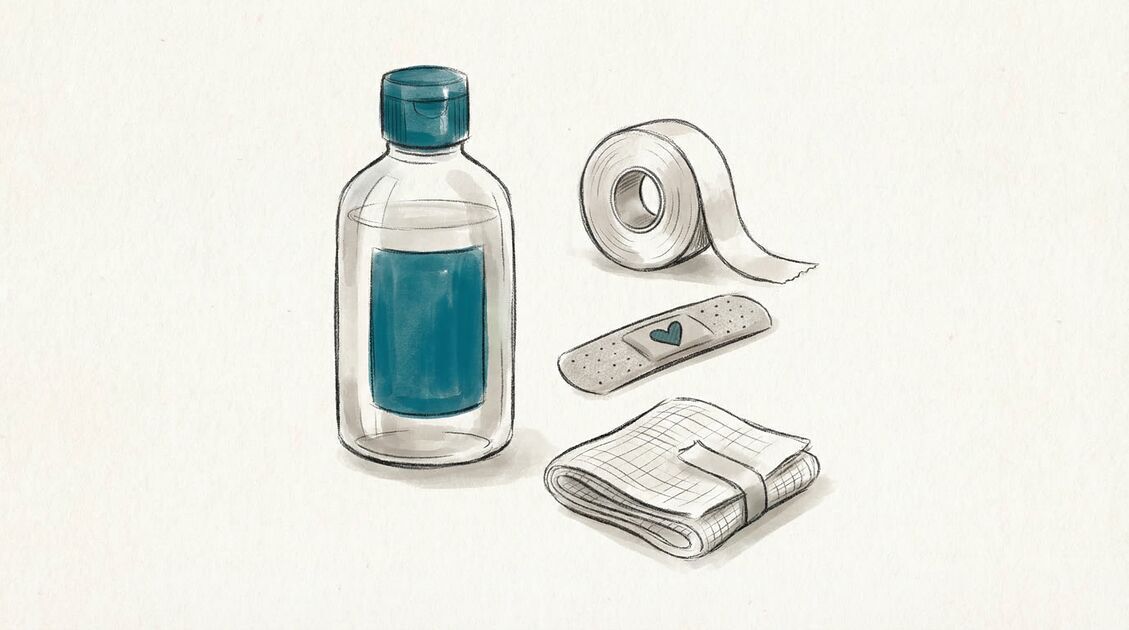
Whether you nick your finger while cooking, scrape your knee on a trail, or your child comes home with a gash from the svc, minor wounds are part of everyday life. Most of the time, you can take care of them at home with basic first aid. But some wounds need professional attention — and knowing the difference can prevent infection, scarring, and more serious complications.
Here is a practical guide to wound care at home, when to head to urgent care, and the warning signs you should never ignore.
Basic Wound Care at Home
For minor cuts and scrapes, the American Red Cross recommends a simple approach that anyone can follow:
- Stop the bleeding. Apply gentle, firm pressure with a clean cloth or bandage. Most minor cuts will stop bleeding on their own within a few minutes. Keep steady pressure and avoid repeatedly lifting the cloth to check — that can disrupt clot formation.
- Clean the wound. Rinse the area under clean, running water for several minutes to flush out dirt and debris. You can use mild soap around the wound, but try to keep soap out of the wound itself, as it can cause irritation. Skip hydrogen peroxide and rubbing alcohol — according to the CDC, these can actually damage healthy tissue and slow healing.
- Apply an antibiotic ointment. A thin layer of over-the-counter antibiotic ointment helps keep the surface moist and may reduce the risk of infection.
- Cover it up. Use a sterile adhesive bandage or gauze pad to protect the wound from dirt and bacteria. Change the bandage at least once a day, or whenever it gets wet or dirty.
For scrapes, the same steps apply. Scrapes (also called abrasions) tend to affect a wider area of skin and can have bits of gravel or debris embedded in them, so take extra care during the rinsing step. If you cannot get debris out with gentle rinsing, it is time to see a provider.
When a Cut Needs Stitches
Not every cut requires a trip to the clinic, but certain wounds heal better — and with less scarring — when they are closed with stitches, staples, or adhesive strips. According to the National Institutes of Health (NIH), you should seek medical care for a cut if:
- It is deep enough to see fat, muscle, or bone. If the wound goes beyond the top layers of skin, it needs professional closure.
- The edges are gaping or jagged. If the wound does not hold together on its own when you release pressure, stitches will help it close properly.
- It will not stop bleeding. If steady pressure for 10 to 15 minutes does not control the bleeding, get medical attention.
- It is on the face, hands, or over a joint. Wounds in these areas are more prone to scarring and functional problems if not properly closed. A cut across a knuckle, for example, can reopen every time you bend your finger.
- It was caused by a dirty or rusty object. These wounds carry a higher infection risk and may need more than just cleaning.
If you think a cut might need stitches, do not wait. For the best results, most wounds should be closed within 6 to 8 hours of the injury. Delaying too long can increase the risk of infection and make closure less effective.
Signs of Infection to Watch For
Even a wound that seems minor at first can develop an infection if bacteria get established. The CDC recommends monitoring any wound for these warning signs in the days following the injury:
- Increasing redness that spreads outward from the wound, especially red streaks extending away from the site
- Warmth around the wound — the area feels noticeably hot to the touch
- Swelling that gets worse instead of gradually improving
- Pus or cloudy drainage coming from the wound (a small amount of clear fluid is normal, but yellow, green, or foul-smelling discharge is not)
- Increased pain — some soreness is expected, but pain that intensifies after the first day or two is a red flag
- Fever — a temperature of 100.4 degrees Fahrenheit or higher can indicate the infection is spreading beyond the wound
If you notice any of these signs, see a healthcare provider promptly. A wound infection caught early can usually be treated with oral antibiotics, but a delayed infection may require more involved care.
Tetanus: Do You Need a Shot?
Tetanus is a serious bacterial infection that can enter the body through breaks in the skin. The bacteria that cause tetanus, Clostridium tetani, are found in soil, dust, and animal waste. Puncture wounds, deep cuts, and wounds contaminated with dirt are especially concerning.
The CDC recommends that adults receive a tetanus booster (Td or Tdap) every 10 years. If you have a dirty or deep wound and your last tetanus shot was more than 5 years ago, you may need a booster sooner. If you are unsure when you last had one, let your provider know — it is a quick shot that can prevent a potentially life-threatening infection.
Animal and Human Bites: Always See a Doctor
Bite wounds are in a category of their own. Whether it is a dog, cat, wild animal, or even a human bite, these injuries carry a high risk of infection because mouths harbor a wide variety of bacteria. Cat bites are particularly concerning because their sharp, narrow teeth can drive bacteria deep into tissue.
According to the American Red Cross, you should always seek medical attention for any bite wound that breaks the skin. Your provider may prescribe preventive antibiotics, update your tetanus vaccination, and — in the case of wild animal bites — evaluate whether rabies treatment is needed. Do not wait to see if a bite wound gets infected; by the time signs appear, the infection may already be well established.
What to Expect at Urgent Care for Wound Treatment
If you come in with a wound that needs attention, here is what typically happens:
- Assessment. Your provider will examine the wound to determine its depth, check for damage to underlying structures like tendons or nerves, and look for any debris that needs to be removed.
- Cleaning. The wound will be thoroughly irrigated — flushed with a sterile saline solution — to remove bacteria and contaminants. This is one of the most important steps in preventing infection.
- Closure. Depending on the wound, your provider may use stitches (sutures), adhesive strips (sometimes called butterfly bandages), skin glue, or staples. The method depends on the wound's location, size, and depth.
- Aftercare instructions. You will leave with clear directions on how to keep the wound clean, when to change bandages, signs of infection to watch for, and when to come back for suture removal (usually 5 to 14 days, depending on the location).
For most wounds, the entire visit takes under an hour. If the wound is on your face or involves complex tissue, your provider may refer you to a specialist for the best cosmetic and functional outcome.
A Few Extra Tips
- Keep it moist. Contrary to the old advice about letting wounds "air out," research shows that keeping a wound slightly moist with ointment and a bandage actually promotes faster healing and reduces scarring.
- Do not pick at scabs. A scab is your body's natural bandage. Pulling it off prematurely can reopen the wound and increase scarring.
- Protect healing wounds from the sun. New skin is especially sensitive to UV damage, which can cause permanent discoloration. Keep healing wounds covered or apply sunscreen once the wound is fully closed.
Dealing with a cut or wound that needs attention? Walk in to Covenant Clinic at 3961 E Lohman Ave, Suite 34, Las Cruces — we are open 7 days a week, 7:30 AM to 7:30 PM, no appointment needed. You can also save your spot online or call us at 575-556-0200.