Rashes and Skin Issues: When to See a Doctor
March 16, 2026
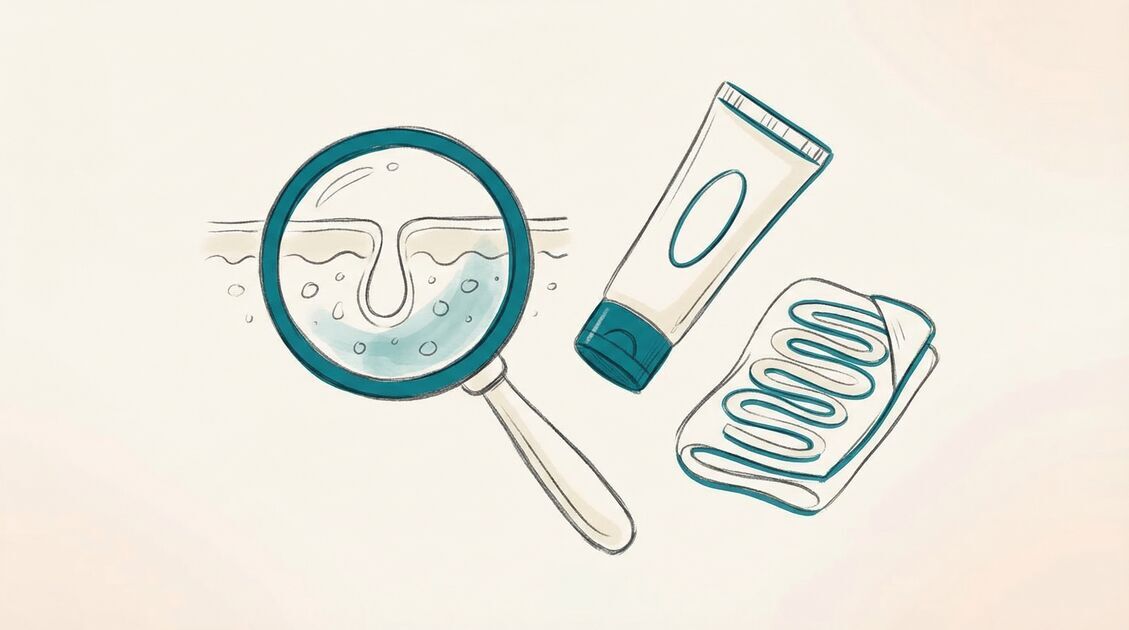
A rash shows up out of nowhere and suddenly you are wondering: is this something serious, or will it go away on its own? It is one of the most common questions people bring to urgent care. Skin issues range from mild irritations that clear up in a day or two to warning signs that need prompt medical treatment. Knowing the difference can save you a lot of worry — and in some cases, prevent a minor problem from becoming a bigger one.
Here is a guide to the most common rashes, what you can manage at home, and when it is time to have a provider take a look.
Common Rashes and What Causes Them
Most rashes fall into a handful of categories. Understanding what you are dealing with is the first step toward knowing how to respond.
- Contact dermatitis. This is the itchy, red rash you get after your skin touches something it does not like — poison ivy, nickel jewelry, certain soaps, or latex gloves. According to the American Academy of Dermatology (AAD), contact dermatitis is one of the most common skin conditions and can appear hours to days after exposure. It usually shows up as red, itchy bumps or blisters right where the contact happened.
- Eczema (atopic dermatitis). Eczema causes dry, itchy, inflamed patches of skin that tend to flare up and then improve. It is especially common in children but can persist into adulthood. The National Institute of Arthritis and Musculoskeletal and Skin Diseases (NIAMS) notes that eczema often runs in families and is linked to an overactive immune response to environmental triggers.
- Hives (urticaria). Hives are raised, itchy welts that can appear anywhere on the body. They are usually an allergic reaction — to food, medication, insect stings, or sometimes stress. Individual welts may come and go within hours, but new ones can keep forming. Most cases resolve on their own, but widespread hives or hives paired with difficulty breathing require emergency care.
- Ringworm (tinea). Despite the name, ringworm is not caused by a worm. It is a fungal infection that creates a red, circular, scaly patch with clearer skin in the center. The CDC notes that ringworm spreads through direct contact with an infected person, animal, or contaminated surface. It is common in children and athletes.
- Cellulitis. This one is different from the others because it is a bacterial skin infection, not just a surface irritation. Cellulitis makes the skin red, swollen, warm, and tender. It often develops when bacteria enter through a cut, scrape, or insect bite. Cellulitis can spread quickly and needs antibiotic treatment — it will not resolve on its own.
When a Rash Is Just Annoying vs. When It Is Dangerous
Most rashes are uncomfortable but not harmful. A patch of contact dermatitis from a new laundry detergent, a mild eczema flare, or a few hives after eating something unusual — these are situations where basic home care is usually enough.
However, certain signs mean a rash needs medical attention sooner rather than later:
- The rash is spreading rapidly. A rash that covers more of your body within hours, especially if it is accompanied by swelling, could indicate a serious allergic reaction or infection.
- You have a fever along with the rash. Fever combined with a rash can signal an infection that your body is fighting systemically — not just on the surface of the skin.
- You see painful blisters. While mild contact dermatitis can cause small blisters, large or painful blisters — especially ones that appear suddenly — may indicate shingles, a severe allergic reaction, or a more serious skin condition.
- There are signs of infection. Increasing redness, warmth, swelling, pus or drainage, red streaks spreading from the rash, or skin that is painful to touch all suggest a bacterial infection like cellulitis. According to the NIH/NIAMS, skin infections can become serious if they are not treated promptly.
- The rash appeared after starting a new medication. Drug reactions can range from mild to life-threatening. If a rash develops shortly after beginning a new prescription, contact your provider.
- You have difficulty breathing or swelling of the face and throat. This is an emergency. Call 911. Hives or a rash paired with trouble breathing can indicate anaphylaxis, a severe allergic reaction that requires immediate treatment.
What You Can Do at Home
For mild rashes that do not show any of the warning signs above, home care can go a long way toward relieving symptoms while your skin heals:
- Cool compresses. A clean, damp cloth applied to the affected area can reduce itching and inflammation. Avoid hot water, which can make irritation worse.
- Over-the-counter antihistamines. Oral antihistamines like diphenhydramine (Benadryl) or cetirizine (Zyrtec) can help with itching from hives, contact dermatitis, and mild allergic reactions. Follow the dosing instructions on the package.
- Moisturizers. For eczema flares and dry, irritated skin, a fragrance-free moisturizer applied after bathing can help restore the skin barrier. The AAD recommends applying moisturizer within a few minutes of getting out of the shower, while skin is still slightly damp.
- Hydrocortisone cream. A low-strength (1%) over-the-counter hydrocortisone cream can reduce redness and itching for contact dermatitis and mild eczema. Use it for short periods — typically no more than a week — unless directed otherwise by a provider.
- Avoid the trigger. If you can identify what caused the rash — a new product, a plant, a piece of jewelry — stop exposure immediately. Wash the area gently with mild soap and water.
What you should avoid: do not scratch. Scratching breaks the skin, which can introduce bacteria and lead to a secondary infection on top of the original rash.
What Urgent Care Can Do for Skin Issues
When home care is not cutting it, an urgent care visit can provide the next level of treatment. Here is what a provider can offer:
- Prescription-strength topical medications. Stronger corticosteroid creams, antifungal creams for ringworm, or antibiotic ointments for infected skin — these are not available over the counter and can make a significant difference in how quickly a rash resolves.
- Oral medications. For more widespread or stubborn conditions, a provider may prescribe oral antibiotics (for cellulitis or infected rashes), oral antifungals (for ringworm that is not responding to topical treatment), or a short course of oral steroids (for severe allergic reactions or eczema flares).
- Abscess drainage. Skin infections sometimes lead to abscesses — pockets of pus under the skin that are painful and swollen. An urgent care provider can perform an incision and drainage (I&D) procedure in the office. This is a common, straightforward procedure that provides immediate relief.
- Evaluation and referral. If a rash looks unusual or does not respond to initial treatment, your provider can evaluate whether a dermatology referral or further testing is needed. Getting that initial assessment is the important first step.
A Few Rashes That Should Not Wait
While most rashes can be evaluated during a same-day urgent care visit, a few situations call for emergency care:
- Rash with difficulty breathing, throat swelling, or dizziness — possible anaphylaxis. Call 911.
- Purplish or dark spots that do not fade when you press on them — this can indicate a serious bloodstream infection (like meningococcemia) and requires emergency evaluation.
- Blistering rash covering a large area of the body — especially after starting a new medication. Severe drug reactions like Stevens-Johnson syndrome need immediate hospital care.
For everything else — the itchy patch that will not quit, the suspicious ring-shaped spot, the bug bite that is getting redder instead of better — urgent care is the right call.
Do Not Wait Until It Gets Worse
Skin issues are one of the most common reasons people visit urgent care, and for good reason. A rash that seems minor can sometimes progress if left untreated, and conditions like cellulitis can become serious within days. The good news is that most skin problems are straightforward to diagnose and treat once a provider gets a look at them.
At Covenant Clinic, we see skin concerns every day — from mysterious rashes to infected bug bites to eczema flares that are making life miserable. We are open 7 days a week, 7:30 AM to 7:30 PM, with no appointment necessary.
Dealing with a rash or skin issue that is not improving? Save your spot online or walk in to Covenant Clinic at 3961 E Lohman Ave, Suite 34, Las Cruces. You can also call us at 575-556-0200 with any questions.