Sinus Infections: Causes, Symptoms, and How to Find Relief
March 16, 2026
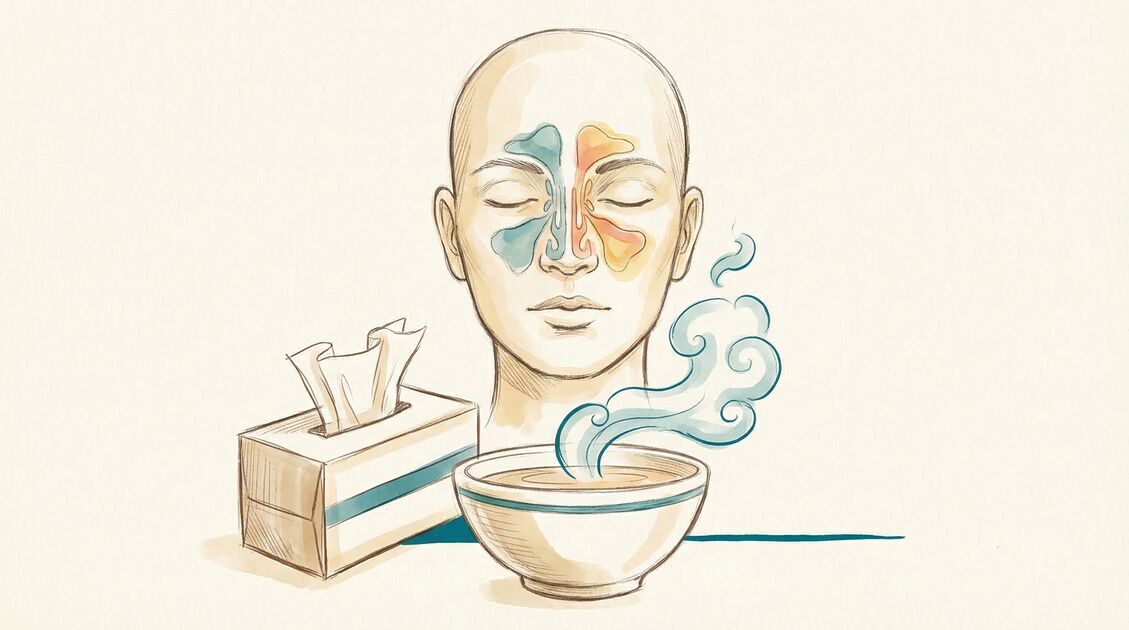
That dull, heavy pressure behind your cheeks and forehead. The congestion that will not quit no matter how many times you blow your nose. The headache that gets worse when you lean forward. If any of that sounds familiar, you may be dealing with a sinus infection — one of the most common reasons people visit a healthcare provider.
Sinus infections, also called sinusitis, affect millions of adults every year, according to the Centers for Disease Control and Prevention (CDC). The good news is that most cases resolve on their own with basic home care. The key is knowing what you are dealing with and when it is time to get professional help.
What Is a Sinus Infection?
Your sinuses are hollow, air-filled spaces behind your forehead, cheeks, nose, and eyes. They are lined with a thin layer of mucus that traps dust, germs, and allergens. Normally, mucus drains out through small openings into your nasal passages, and everything works smoothly.
A sinus infection happens when those passages become blocked and fluid builds up, creating an environment where germs can grow. The lining of the sinuses swells, and you end up with the congestion, pressure, and discomfort that make sinusitis so miserable.
According to the National Institutes of Health (NIH), sinusitis can be triggered by a viral infection (like the common cold), bacterial infection, allergies, or structural issues like nasal polyps or a deviated septum.
Viral vs. Bacterial: How to Tell the Difference
This is one of the most important distinctions when it comes to sinus infections, because it determines whether antibiotics will help.
Viral sinusitis is by far the more common type. It typically follows a cold and resolves on its own within seven to ten days. You may feel lousy, but your body's immune system handles the infection without medication. The CDC notes that most sinus infections are viral, meaning antibiotics will not help and should not be prescribed.
Bacterial sinusitis can develop when a viral infection lingers and bacteria take advantage of the blocked, fluid-filled sinuses. The American Academy of Otolaryngology–Head and Neck Surgery (AAO-HNS) identifies several signs that suggest a bacterial infection rather than a viral one:
- Symptoms that last ten days or longer without improvement
- Symptoms that seem to improve but then suddenly get worse (sometimes called “double worsening”)
- Severe symptoms from the start, including high fever (102°F or higher) and thick, discolored nasal discharge lasting at least three to four consecutive days
If your symptoms fit one of those patterns, it is worth seeing a provider. Otherwise, the infection is most likely viral and will run its course.
Common Symptoms of Sinusitis
Whether viral or bacterial, sinus infections share a recognizable set of symptoms:
- Facial pressure or pain — especially around the forehead, cheeks, and between the eyes. This often worsens when you bend forward.
- Nasal congestion — a stuffy nose that makes it hard to breathe through one or both nostrils.
- Thick nasal discharge — mucus that may be yellow, green, or cloudy. Color alone does not reliably indicate bacterial infection, despite the common belief.
- Postnasal drip — mucus draining down the back of your throat, which can cause a sore throat or cough, especially at night.
- Headache — a dull, persistent ache that tends to concentrate in the front of the head.
- Reduced sense of smell and taste — swollen sinuses can block the nerve pathways responsible for smell.
- Fatigue — your body is fighting an infection, and it takes energy. Feeling run down is completely normal.
- Ear pressure — the sinuses and ears are connected, so sinus congestion can create a feeling of fullness in the ears.
Home Remedies That Can Help
For the majority of sinus infections, you can manage symptoms at home while your body does the work of clearing the infection. Here are approaches that are supported by medical guidelines:
- Saline nasal rinse. A saline (saltwater) rinse — using a neti pot, squeeze bottle, or saline spray — flushes mucus and irritants out of your nasal passages. The AAO-HNS recommends saline irrigation as a first-line treatment for sinusitis symptoms. Use distilled, sterile, or previously boiled water to prepare the rinse.
- Steam inhalation. Breathing in warm, moist air can help loosen congestion and soothe irritated sinus tissues. A hot shower works well, or you can lean over a bowl of hot water with a towel draped over your head.
- Stay hydrated. Drinking plenty of water and warm fluids (broth, herbal tea) helps thin mucus so it drains more easily. Avoid alcohol and caffeine, which can contribute to dehydration.
- Warm compresses. Placing a warm, damp towel over your face can relieve facial pressure and pain.
- Rest. Sleep and rest give your immune system the best chance of fighting off the infection efficiently.
- Over-the-counter relief. Acetaminophen or ibuprofen can help with pain and fever. Decongestant sprays (like oxymetazoline) can provide short-term relief, but should not be used for more than three days — longer use can actually make congestion worse, a rebound effect.
When Antibiotics Are Needed
Antibiotics treat bacterial infections. They do not work against viruses, and taking them unnecessarily contributes to antibiotic resistance — a serious public health concern. The CDC emphasizes that antibiotics should only be prescribed for sinus infections when there is a clear indication of bacterial involvement.
Your provider may recommend antibiotics if:
- Your symptoms have persisted for ten days or more without any improvement
- You experienced improvement followed by a significant worsening of symptoms
- You have severe symptoms — high fever and heavy, discolored nasal discharge — for at least three to four consecutive days
When antibiotics are prescribed, amoxicillin or amoxicillin-clavulanate is typically the first choice, according to AAO-HNS guidelines. It is important to take the full course as prescribed, even if you start feeling better before the medication is finished.
Chronic Sinusitis: When It Does Not Go Away
Most sinus infections are acute, meaning they come on quickly and clear up within a few weeks. But some people deal with sinusitis that lasts twelve weeks or longer — a condition called chronic sinusitis.
Chronic sinusitis can be caused by ongoing allergies, nasal polyps (noncancerous growths in the sinus lining), a deviated septum, or repeated infections. Symptoms are similar to acute sinusitis but tend to be milder and more persistent rather than severe.
If you find yourself dealing with sinus pressure, congestion, and drainage that just will not resolve, or if you get several sinus infections a year, talk to a provider. Chronic sinusitis often benefits from a longer-term management plan that may include nasal corticosteroid sprays, allergy management, or in some cases, a referral to an ear, nose, and throat specialist.
When to See a Doctor
Most sinus infections do not require a clinic visit. But there are situations where professional evaluation is the right call:
- Symptoms lasting ten days or more without improvement
- A fever above 102°F
- Symptoms that improve and then suddenly worsen
- Severe facial pain or swelling
- Recurring sinus infections (three or more per year)
- Visual changes, stiff neck, or confusion — these are rare but serious warning signs that require immediate medical attention
At Covenant Clinic, we can evaluate your symptoms, determine whether your sinusitis is likely viral or bacterial, and recommend the right treatment plan. If antibiotics are appropriate, we will prescribe them. If they are not, we will help you manage your symptoms effectively while the infection clears.
Tired of dealing with sinus pressure? Save your spot online or walk in to Covenant Clinic at 3961 E Lohman Ave, Suite 34, Las Cruces. We are open 7 days a week, 7:30 AM to 7:30 PM. You can also call us at 575-556-0200.