Sore Throat: When It's Strep and What to Do About It
March 16, 2026
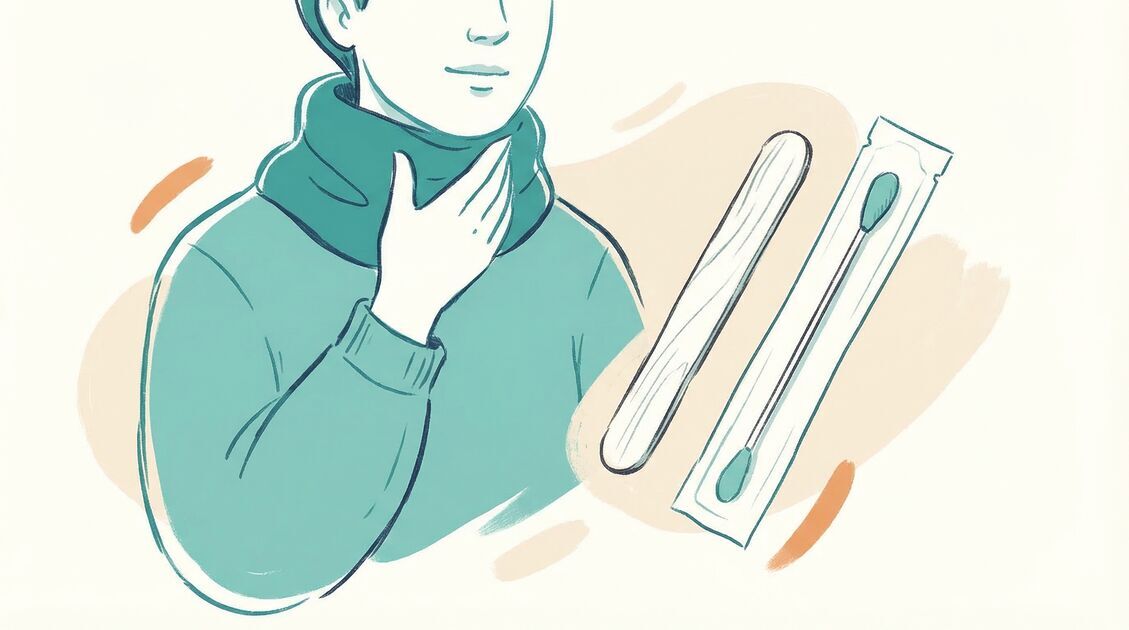
Sore throats are one of the most common reasons people walk into our clinic. Most of the time, a sore throat is caused by a virus and will get better on its own in a few days. But sometimes the cause is a bacterial infection called strep throat — and that distinction matters, because strep requires a different approach than the typical cold.
Here is what you should know about sore throats, how to recognize when strep might be the culprit, and what to do either way.
What Causes a Sore Throat?
The vast majority of sore throats are caused by viral infections. The common cold, the flu, and other respiratory viruses are the usual suspects. These infections tend to come with a package of symptoms: runny nose, sneezing, cough, mild body aches, and a scratchy or irritated throat.
Bacterial infections account for a smaller share. The most important one is Group A Streptococcus, the bacterium behind strep throat. According to the Centers for Disease Control and Prevention (CDC), strep throat is most common in children ages 5 through 15, though adults get it too. Other, less common causes of sore throat include allergies, dry air, irritants like smoke, and acid reflux.
Viral vs. Strep: How to Tell the Difference
You cannot diagnose strep throat just by looking at it or by how it feels, but there are patterns that can help you decide whether to come in for testing.
Signs that point toward a viral sore throat:
- Gradual onset — the throat gets sore over a day or two
- Accompanied by cough, runny nose, sneezing, or congestion
- Hoarseness or a scratchy voice
- Mild or no fever
- Sometimes includes watery eyes or a general "cold" feeling
Signs that point toward strep throat:
- Sudden onset — a sore throat that appears quickly, often overnight
- Fever of 101°F (38.3°C) or higher
- Pain when swallowing, sometimes severe
- Swollen, red tonsils, sometimes with white patches or streaks of pus
- Swollen, tender lymph nodes in the front of the neck
- Absence of cough — this is a key differentiator
- Headache, stomach pain, or nausea (especially in children)
- A fine, sandpaper-like rash (known as scarlet fever, which is caused by the same bacterium)
The American Academy of Pediatrics (AAP) emphasizes that clinical signs alone are not reliable enough to confirm or rule out strep. A test is needed.
Why Rapid Strep Tests Matter
A rapid strep test is a quick, in-office test where a provider swabs the back of the throat and gets a result in about 10 to 15 minutes. It detects proteins from the Group A Streptococcus bacterium directly.
This test matters for two reasons. First, it tells you whether antibiotics are actually needed. Antibiotics treat bacterial infections, not viral ones, so prescribing them for a viral sore throat does nothing helpful and can contribute to antibiotic resistance — a growing public health concern highlighted by the National Institutes of Health (NIH).
Second, confirming strep early allows treatment to begin sooner, which reduces the duration and severity of symptoms. According to the CDC, prompt antibiotic treatment for strep throat also lowers the risk of complications like rheumatic fever, kidney inflammation, and peritonsillar abscess (a painful collection of pus near the tonsils).
If the rapid test is negative but strep is still suspected, your provider may send a throat culture to the lab. Cultures are more sensitive and can catch cases the rapid test misses, especially in children.
When Antibiotics Are Needed — and When They Are Not
If your strep test comes back positive, antibiotics are the standard treatment. The most commonly prescribed antibiotic is penicillin or amoxicillin. A full course — typically 10 days — is important to complete, even if you start feeling better after a day or two. Stopping early can allow the bacteria to survive and potentially lead to complications or recurrence.
If the test is negative and the sore throat is viral, antibiotics will not help. This is not a case of the provider being overly cautious or withholding treatment. Antibiotics simply do not work against viruses. Prescribing them unnecessarily exposes you to potential side effects (like allergic reactions or digestive upset) without any benefit.
The CDC recommends that healthcare providers perform a strep test before prescribing antibiotics for a sore throat, rather than prescribing based on symptoms alone.
Home Care for Viral Sore Throats
When a sore throat is viral, the goal is comfort while your body fights off the infection. These approaches can help:
- Stay hydrated. Warm liquids like broth, tea with honey, or warm water with lemon can soothe an irritated throat. Cold liquids and popsicles also help some people.
- Over-the-counter pain relievers. Acetaminophen (Tylenol) or ibuprofen (Advil, Motrin) can reduce pain and fever. Follow dosing instructions on the label, and avoid giving aspirin to children or teenagers.
- Saltwater gargle. Dissolve half a teaspoon of salt in eight ounces of warm water and gargle. This can temporarily relieve throat pain.
- Throat lozenges or sprays. Over-the-counter options can provide short-term relief. Lozenges are not appropriate for young children due to choking risk.
- Rest. Your immune system works best when you are not running on empty. Give yourself permission to slow down.
- Use a humidifier. Dry air can make a sore throat worse. A cool-mist humidifier adds moisture to your room and may ease discomfort, especially at night.
Most viral sore throats improve within five to seven days without any specific treatment.
When to See a Doctor Urgently
Most sore throats do not require emergency care, but certain symptoms warrant a prompt visit:
- Difficulty breathing or shortness of breath
- Difficulty swallowing or inability to swallow saliva (drooling in children)
- Severe swelling of the throat or neck
- Inability to open the mouth fully (trismus), which may indicate a peritonsillar abscess
- High fever that does not respond to medication
- A sore throat that lasts longer than a week without improvement
- Blood in saliva or phlegm
- Dehydration — especially in young children who refuse to drink because of throat pain
If you or your child are experiencing any of these, do not wait. Come in so we can evaluate the situation and make sure nothing more serious is going on.
What to Expect at Covenant Clinic
If you come to Covenant Clinic with a sore throat, here is the typical process: we will ask about your symptoms and how long you have had them, take a look at your throat, and run a rapid strep test if strep is suspected. Results come back in minutes. If strep is confirmed, you will leave with a prescription. If the test is negative, we will discuss what is likely causing your symptoms and how to manage them at home.
The whole visit is straightforward and usually takes well under an hour. No appointment is necessary.
Dealing with a sore throat that will not quit? Save your spot online or walk in to Covenant Clinic at 3961 E Lohman Ave, Suite 34, Las Cruces. We are open 7 days a week, 7:30 AM to 7:30 PM. You can also call us at 575-556-0200.