The Flu: Symptoms, Treatment, and When to Get Help
March 16, 2026
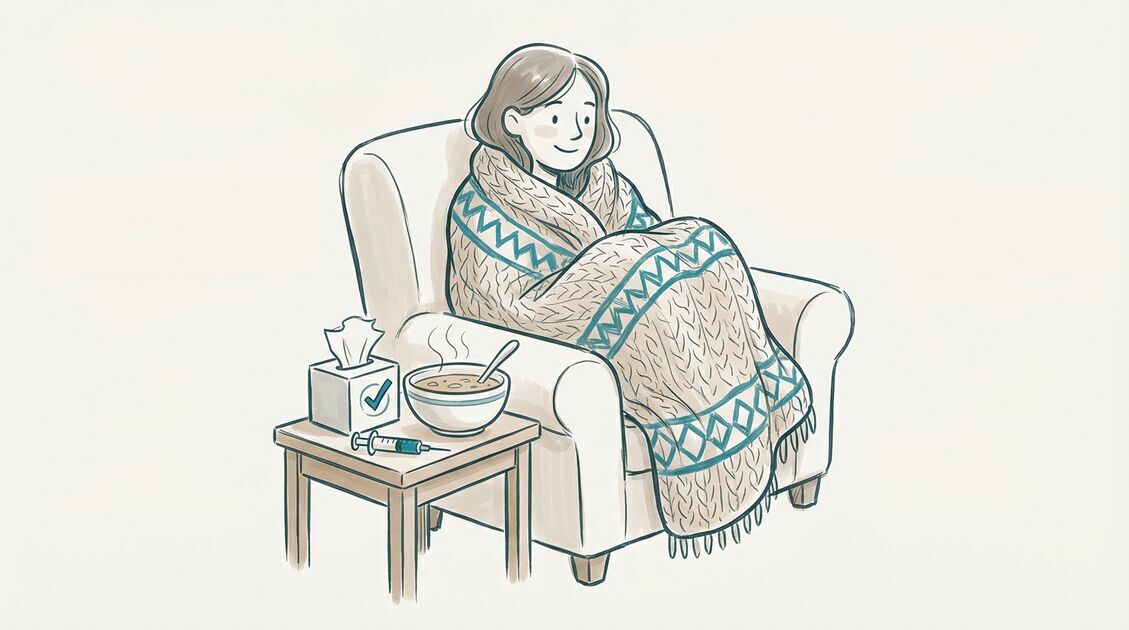
Flu season comes around every year, and every year it catches people off guard. Maybe you woke up feeling fine this morning and by noon you are flat on your back with a fever, aching from head to toe. That is the nature of influenza — it hits hard and it hits fast. Understanding what the flu actually is, how it differs from a common cold, and when you need medical attention can make a real difference in how quickly you recover.
Flu vs. Cold: How to Tell the Difference
People often use "flu" and "cold" interchangeably, but they are caused by different viruses and they feel very different. A cold usually comes on gradually — a scratchy throat one day, some sniffles the next. The flu, on the other hand, tends to hit suddenly and with much more force.
According to the CDC, the flu typically causes fever, body aches, extreme fatigue, and a dry cough — symptoms that are either absent or much milder with a cold. Colds are more likely to give you a runny or stuffy nose. If you feel like you were fine one hour and completely wiped out the next, that is a strong signal you are dealing with the flu, not just a bad cold.
Classic Flu Symptoms
The flu can affect people differently, but most cases share a recognizable set of symptoms:
- Sudden onset of fever (often 100°F to 104°F), sometimes with chills
- Body aches and muscle pain — your legs, back, and arms may feel heavy and sore
- Extreme fatigue — not just tiredness, but the kind of exhaustion where getting out of bed feels impossible
- Dry, persistent cough
- Headache
- Sore throat
- Nasal congestion (less common than with a cold, but it happens)
Some people, especially children, may also experience vomiting and diarrhea, though these are more common with stomach viruses. The National Institute of Allergy and Infectious Diseases (NIAID) notes that flu symptoms usually last about one to two weeks, with the worst of it concentrated in the first three to four days.
Who Is at Higher Risk?
Most healthy adults recover from the flu without complications. However, some groups face a much higher risk of serious illness:
- Adults 65 and older — the immune system weakens with age, making it harder to fight off the virus
- Children under 5, especially those under 2 years old
- Pregnant women — changes in the immune system, heart, and lungs during pregnancy increase vulnerability
- People with chronic conditions such as asthma, diabetes, heart disease, or kidney disease
- People with weakened immune systems due to medications or conditions like HIV
The World Health Organization (WHO) emphasizes that these high-risk groups should seek medical evaluation early when flu symptoms appear, rather than waiting to see if things improve on their own.
Antiviral Medications: The 48-Hour Window
Unlike the common cold, the flu can be treated with prescription antiviral medications. The most widely known is oseltamivir, sold under the brand name Tamiflu. These medications work by slowing the virus's ability to reproduce in your body, which can shorten the duration of illness and reduce the severity of symptoms.
Here is the critical detail: antivirals work best when started within 48 hours of your first symptoms. According to the CDC, early treatment with antivirals can reduce the length of illness by one to two days and may prevent serious complications like pneumonia. For people in high-risk groups, antiviral treatment can be the difference between recovering at home and ending up in the hospital.
This is why timing matters. If you think you have the flu and you are in a high-risk group — or if your symptoms are severe — do not wait several days to see a provider. The sooner you start treatment, the more effective it will be.
Home Treatment for the Flu
For most people with mild to moderate flu symptoms, home care is the right approach while your body fights off the virus:
- Rest. Your body needs energy to fight the infection. Cancel your plans and stay home.
- Stay hydrated. Fever and sweating cause fluid loss. Drink water, broth, herbal tea, or electrolyte drinks throughout the day.
- Manage fever and pain. Over-the-counter medications like acetaminophen (Tylenol) or ibuprofen (Advil, Motrin) can help reduce fever and relieve body aches. Follow the dosing instructions on the label.
- Use a humidifier. Adding moisture to the air can ease nasal congestion and soothe a dry, irritated throat.
- Stay home. The CDC recommends staying home for at least 24 hours after your fever breaks (without the help of fever-reducing medication) to avoid spreading the virus to others.
Antibiotics do not treat the flu. Influenza is caused by a virus, and antibiotics only work against bacteria. Taking antibiotics for a viral infection will not help you feel better and contributes to antibiotic resistance.
Why the Flu Vaccine Matters
The single most effective way to protect yourself from the flu is the annual flu vaccine. The CDC recommends that everyone 6 months and older get a flu shot each year, ideally before flu season peaks. The vaccine is updated annually to match the circulating strains, which is why you need a new one each year.
No vaccine is perfect, and you can still get the flu after being vaccinated. However, vaccinated individuals who do get sick tend to experience milder symptoms, shorter illness, and fewer complications. For high-risk groups — the elderly, young children, pregnant women, and people with chronic conditions — the vaccine can be genuinely lifesaving.
The NIAID notes that flu vaccination also helps protect the people around you, including family members who may be too young or too sick to be vaccinated themselves.
When to Seek Urgent Care
Most flu cases resolve on their own with rest and home care. But there are situations where the flu can become dangerous, and delaying medical attention can lead to serious complications. Go to urgent care or an emergency room if you or a family member experiences any of the following:
- Difficulty breathing or shortness of breath
- Persistent chest pain or pressure
- Confusion or difficulty staying alert
- Severe or persistent vomiting (especially if you cannot keep fluids down)
- Flu symptoms that improve but then return with fever and a worse cough — this can signal a secondary infection like pneumonia
- Bluish lips or face (a sign of inadequate oxygen)
- In children: fast breathing, inability to eat or drink, no tears when crying, or significantly fewer wet diapers than usual
These warning signs can indicate that the flu has progressed to a more serious condition that requires immediate treatment. Do not second-guess yourself — if something feels wrong, it is better to be evaluated and sent home than to wait too long.
Get the Care You Need
The flu is miserable, but in most cases it is manageable — especially when you know what to watch for and when to act. If you are in a high-risk group or your symptoms are severe, early treatment with antivirals can make a meaningful difference. And if you have not gotten your flu shot yet, it is not too late.
At Covenant Clinic, we are open 7 days a week, 7:30 AM to 7:30 PM, with no appointment necessary. We offer rapid flu testing, antiviral prescriptions, and flu vaccines — all in one visit. Walk in or save your spot online to skip the wait.
Feeling flu symptoms? Do not wait it out. Visit Covenant Clinic at 3961 E Lohman Ave, Suite 34, Las Cruces, or call us at 575-556-0200. You can also book an appointment online.