Weight Loss: Sustainable Steps That Actually Work
March 16, 2026
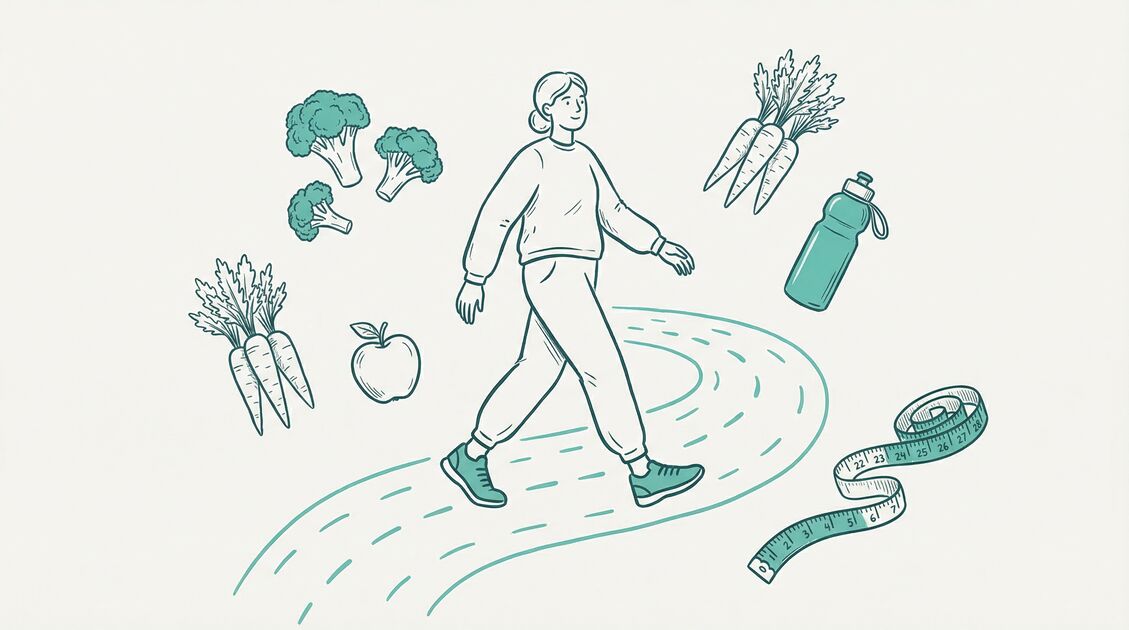
If you have ever tried a crash diet, you already know the story: you drop a bunch of weight in the first week or two, feel great for about five minutes, and then slowly (or not so slowly) gain it all back. You are not alone, and it is not your fault. The problem is the approach, not you.
The good news? Losing weight and keeping it off is absolutely possible. It just requires a different playbook than the one most fad diets are selling. Let us walk through what the science actually says about sustainable weight loss and what you can start doing today.
Why Crash Diets Almost Always Backfire
Here is the short version: your body is really, really good at surviving. When you dramatically cut calories, your body thinks food is scarce and shifts into conservation mode. Your metabolism slows down, your hunger hormones ramp up, and your energy drops. According to the NIH's National Institute of Diabetes and Digestive and Kidney Diseases (NIDDK), most people who lose weight through very restrictive diets regain the weight within a few years.
Why? Because extreme dieting triggers a response called metabolic adaptation. That is a fancy way of saying your body learns to run on less fuel. So when you eventually go back to eating normally (because nobody can live on cabbage soup forever), you gain weight faster than before because your metabolism has not bounced back yet.
The CDC puts it plainly: people who lose weight gradually, about one to two pounds per week, are more successful at keeping it off long-term. Slow and steady really does win this race.
The Science Behind Sustainable Weight Loss
Sustainable weight loss comes down to a few core principles that are backed by decades of research:
Small calorie adjustments, not extreme cuts. The NIDDK recommends reducing your daily intake by about 500 to 750 calories to lose roughly one to one-and-a-half pounds per week. That might mean swapping out a sugary afternoon snack for a handful of almonds or skipping the soda with dinner. Small changes add up fast.
More protein and fiber. Both keep you feeling full longer. Protein also helps preserve muscle mass while you are losing weight, which is important because muscle burns more calories at rest than fat does. Think eggs, chicken, beans, Greek yogurt, vegetables, and whole grains.
Regular physical activity. The WHO recommends at least 150 minutes of moderate-intensity activity per week for adults. That is about 30 minutes a day, five days a week. And it does not have to be intense. Walking counts. Dancing in your kitchen counts. Playing tag with your kids counts. The best exercise is the one you will actually do.
Consistency over perfection. You do not need to eat perfectly every single day. According to the CDC, what matters most is developing healthy habits you can maintain over months and years, not hitting some perfect number on a daily basis.
Sleep and Stress: The Hidden Players
This is where things get interesting. You could be eating well and exercising regularly, but if your sleep and stress are out of whack, your body will fight you on weight loss.
Sleep deprivation messes with two key hormones: leptin (which tells your brain you are full) and ghrelin (which tells your brain you are hungry). When you do not sleep enough, leptin drops and ghrelin spikes. The result? You feel hungrier, crave high-calorie foods, and have less willpower to resist them. According to the NIH, adults who consistently sleep fewer than seven hours per night have a higher risk of weight gain and obesity.
Chronic stress triggers your body to produce cortisol, a hormone that, among other things, promotes fat storage, especially around the midsection. Cortisol also increases appetite and cravings for comfort foods. The CDC notes that managing stress through techniques like deep breathing, physical activity, or even just spending time outside can make a meaningful difference in your overall health, including your weight.
So if you are doing everything "right" with diet and exercise but still struggling, take an honest look at how much you are sleeping and how stressed you are. Those two factors alone can stall your progress.
Why Working with a Doctor Makes a Difference
Weight loss is personal. What works for your neighbor or your coworker might not work for you, and that is because your body, your health history, your medications, and your lifestyle are all unique. A doctor can help in ways that a diet app simply cannot:
- Identifying underlying conditions. Thyroid disorders, insulin resistance (where your body struggles to use blood sugar properly), polycystic ovary syndrome or PCOS (a hormonal condition common in women), and certain medications can all make losing weight harder. A simple blood test can uncover issues you might not know about.
- Creating a safe plan. If you have heart disease, diabetes, or joint problems, some diet and exercise approaches could do more harm than good. Your doctor can tailor a plan that is safe for your specific situation.
- Tracking your progress. Regular check-ins with a provider help you stay accountable and make adjustments as needed. The NIDDK recommends working with healthcare professionals for weight management because the evidence consistently shows that medical support improves outcomes.
- Discussing medical options. For some patients, prescription medications or other medical interventions may be appropriate alongside lifestyle changes. Your doctor can help you understand what is available and whether it might be right for you.
What Covenant Clinic Offers for Weight Management
At Covenant Clinic, we understand that weight loss is not just about willpower. It is about your whole health picture. Our providers take the time to listen, understand your goals, and work with you on a plan that fits your real life, not some impossible ideal.
Here is what you can expect when you visit us for weight management:
- A thorough health assessment to check for any underlying conditions that might be affecting your weight
- Personalized guidance on nutrition, physical activity, sleep, and stress management
- Ongoing support and follow-up visits to track your progress and adjust your plan
- A judgment-free environment where your goals and concerns are taken seriously
We are open seven days a week, from 7:30 AM to 7:30 PM, because your health should not have to wait for a convenient appointment slot. Whether you want to lose 10 pounds or 100, the first step is the same: have an honest conversation with a provider who cares.
Ready to Get Started?
If you have been thinking about making a change, there is no better time than now. Skip the crash diets. Skip the miracle supplements. Instead, come talk to us. We will help you build a plan that actually works, one you can stick with for the long haul.
Book an appointment at Covenant Clinic or walk in any day of the week. You can also call us at 575-556-0200. We are here for you.